ASE Reflects the Resilience of the National Economy and Opens Promising Investment Opportunities at the Jordan-Eu Investment Conference 2026
The Jordan-European Investment Conference serves a clear message of confidence in Jordan, its wise leadership, its standing, economy, and investment environment. It reaffirms that Jordan is a reliable partner and a promising investment destination, even amidst the difficult circumstances, challenges, and uncertainty currently affecting both the region and the world. The Jordanian economy has demonstrated its ability to navigate these challenges and overcome their repercussions, bolstered by the country’s political, fiscal, and monetary stability. Furthermore, positive indicators within the national economy—driven by reform and stimulus policies, alongside ongoing efforts to enhance the investment environment—have had a favorable impact on the performance of the Amman Stock Exchange (ASE).
The Conference also served as a significant opportunity to elevate European-Jordanian relations, to more advanced levels of cooperation and partnership. This includes attracting high-quality, long-term investments toward promising economic sectors, thereby contributing to enhanced production, job creation, and resource development. Such efforts, in turn, expand employment opportunities and support sustainable development and technological advancement within the national economy.
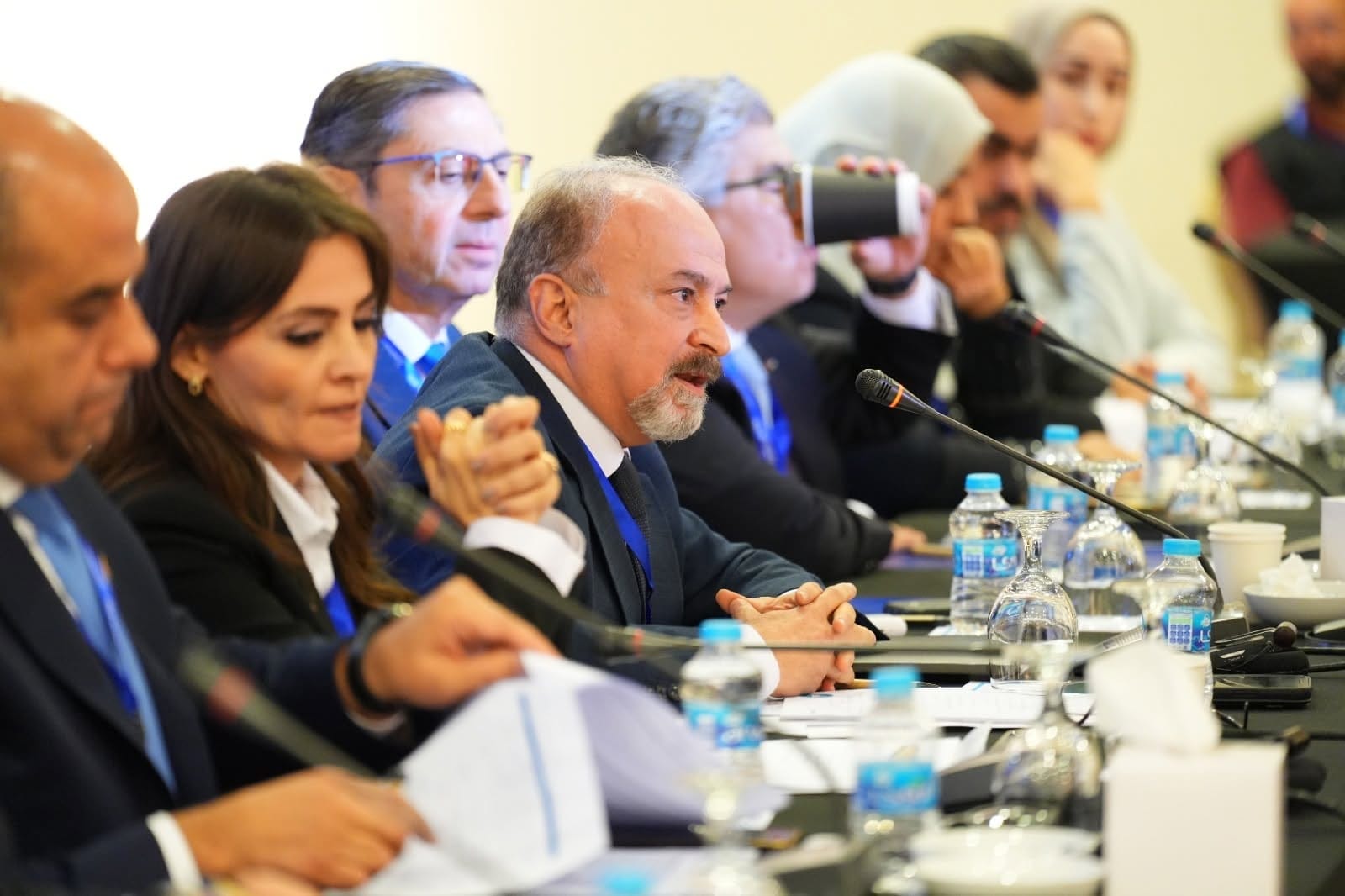
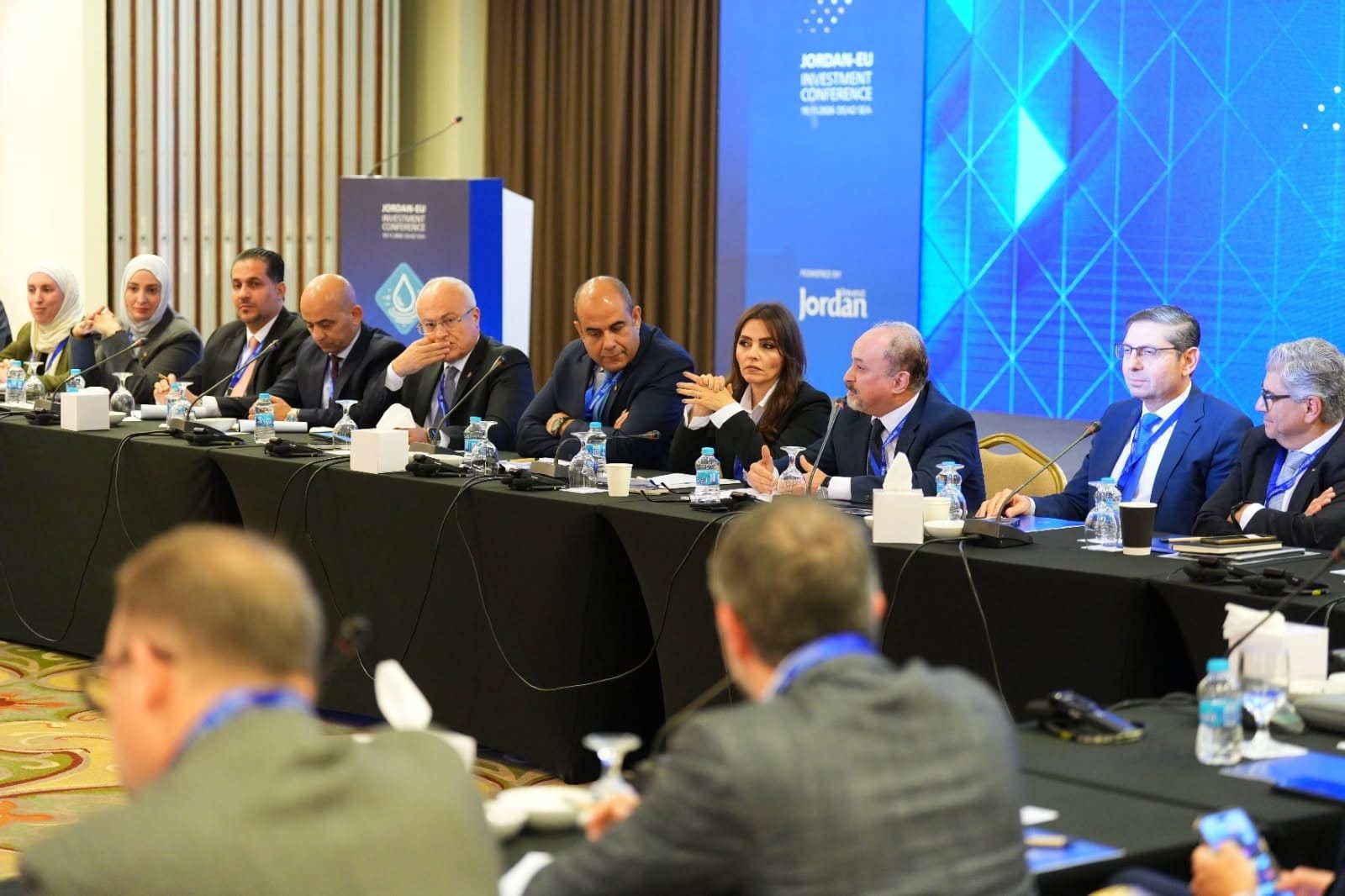
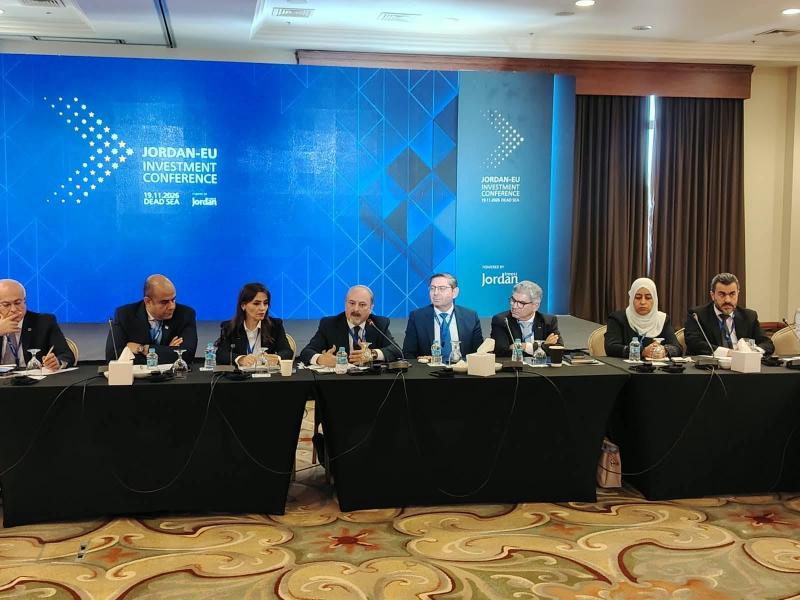
In this context, a panel discussion was held on the sidelines of the Conference, featuring Imad Abu Haltem, Chairman of the Board of Commissioners of the Jordan Securities Commission (JSC); Mazen Wathaifi, Chief Executive Officer of the ASE; and Sarah Tarawneh, Chief Executive Officer of the Securities Depository Center (SDC). The discussion addressed the current state of the Jordanian capital market and the investment opportunities it offers, in light of the positive and exceptional performance achieved by the ASE in 2025.
The CEO of the ASE Mazen Wathaifi noted that the exchange’s free-float weighted general share price index (ASEGI) rose by 45.1%, while the ASE20 index increased by 47.2%. The total return index (ASETR) saw a gain of 58.5%. Furthermore, the market capitalization of listed shares climbed to approximately 26.5 billion dinars—the highest annual closing value since 2007—representing an increase of 50.1%. The total volume of shares traded over the past year reached approximately 1.1 billion shares.
This positive performance continued through the end of October 2026, with the ASEGI increasing by 14%, the ASE20 Index rising by 12.3%, and the ASETR recording an increase of 18.2%. Total trading value also increased by 56%, while the average daily trading value rose to JOD 13.5 million, compared to JOD 8.8 million during the corresponding period of the previous year. In addition, the market capitalization of listed companies increased by 9.1%, reaching JOD 29 billion.
He said that these indicators reflect the continued positive trajectory of the capital market, in line with the positive performance of the national economy. They also demonstrate investors’ confidence in the Jordanian market and the investment opportunities it offers. The discussion also addressed the performance of Jordanian listed companies, which recorded a 4.8% increase in net profits, achieving the second-highest historical level of profits during the first nine months of the current year. This reflects the resilience of corporate performance and companies’ ability to sustain growth and achieve positive results despite the surrounding challenges.
He further noted that the panel discussion highlighted the progress made by the Jordanian capital market and its advanced regulatory and legislative framework, which is aligned with the latest international practices and standards. This includes corporate governance and disclosure requirements, the electronic systems in place, and sustainability standards, all of which contribute to enhancing market efficiency, transparency, and investment attractiveness.
The discussion also addressed the challenges facing the market and ways to overcome them. The panel gained additional significance from the participation of a number of Arab, international, and Jordanian guests, investors, and business leaders. It provided an opportunity to showcase the advantages of the Jordanian capital market, the investment opportunities available within it, and the progress achieved in legislation, infrastructure, technology, and sustainability.
Accordingly, the positive performance of the ASE cannot be viewed in isolation from the positive developments taking place in the national economy. Rather, it reflects one aspect of the economy’s ability to recover and adapt to challenges, benefiting from Jordan’s stable environment and ongoing efforts to implement the Economic Modernization Vision projects and major national projects, in addition to the Kingdom’s competitive advantages, including promising economic sectors, qualified human resources, a strategic geographical location, and international trade agreements.
In this regard, the Conference represents an important opportunity to strengthen Jordan’s presence on the international investment map, promote opportunities across various sectors, and highlight the development of the Jordanian capital market as an integral component of the national investment environment. This, in turn, reinforces confidence in the Jordanian economy and opens broader horizons for partnerships and investment.